Measure the Placenta is an all-volunteer nonprofit organization dedicated to improving placental monitoring during pregnancy.

Our mission is to educate and advocate for routine placental measurements as a path toward elevating prenatal care standards and preventing stillbirth by increasing awareness, engaging healthcare providers, and sharing evidence‑based research.

Latest news: Join us for Placenta Health Awareness Day on June 1st!

Measure. Track. Prevent.

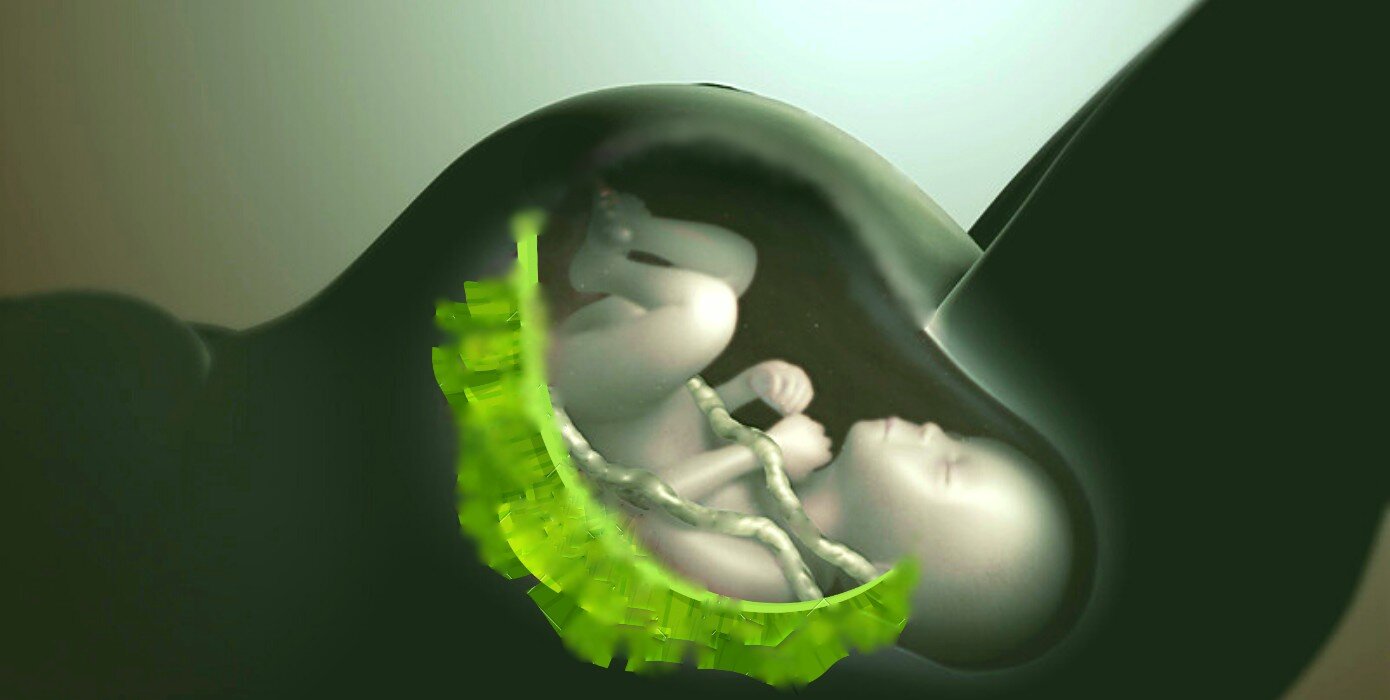
The placenta is a temporary organ that forms in the uterus during pregnancy. Like roots of a tree, it supplies baby’s critical needs. The placenta attaches to the uterine wall and provides nutrients and oxygen to the baby through the umbilical cord. An unhealthy placenta is the leading cause of stillbirth. Abnormal placenta size is a risk factor for stillbirth and other adverse pregnancy outcomes.

A baby can outgrow its placenta. Like a car driving with no gas gauge, a pregnancy loss can occur without warning. There is not always reduced movement or warning signs. These losses can be sudden, unexpected, and too often go unexplained. Half of stillbirths result from conditions affecting the placenta.


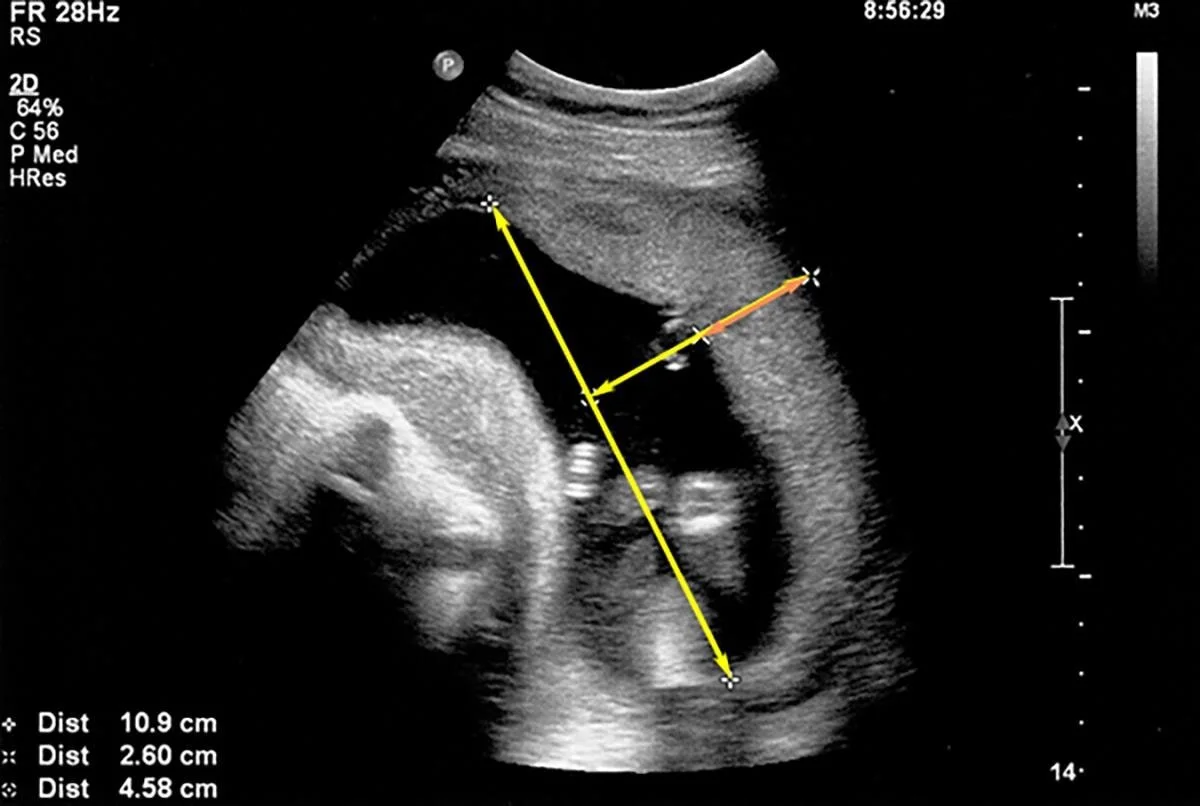
Standard prenatal ultrasounds typically measure the placenta’s location in the uterus and cord insertion. Placenta size and health are not a part of standard prenatal care.

Help us close this gap.

EPV+retro.jpg

This baby’s placenta dropped below the 10th percentile by 32 weeks gestation.

Tragically, the placenta was not measured during pregnancy. Standard biophysical profiles showed a healthy pregnancy. The child was stillborn at full term.

This chart was created retroactively with ultrasounds on file. It likely would have indicated induction - and saved a life.

This experience is too common.

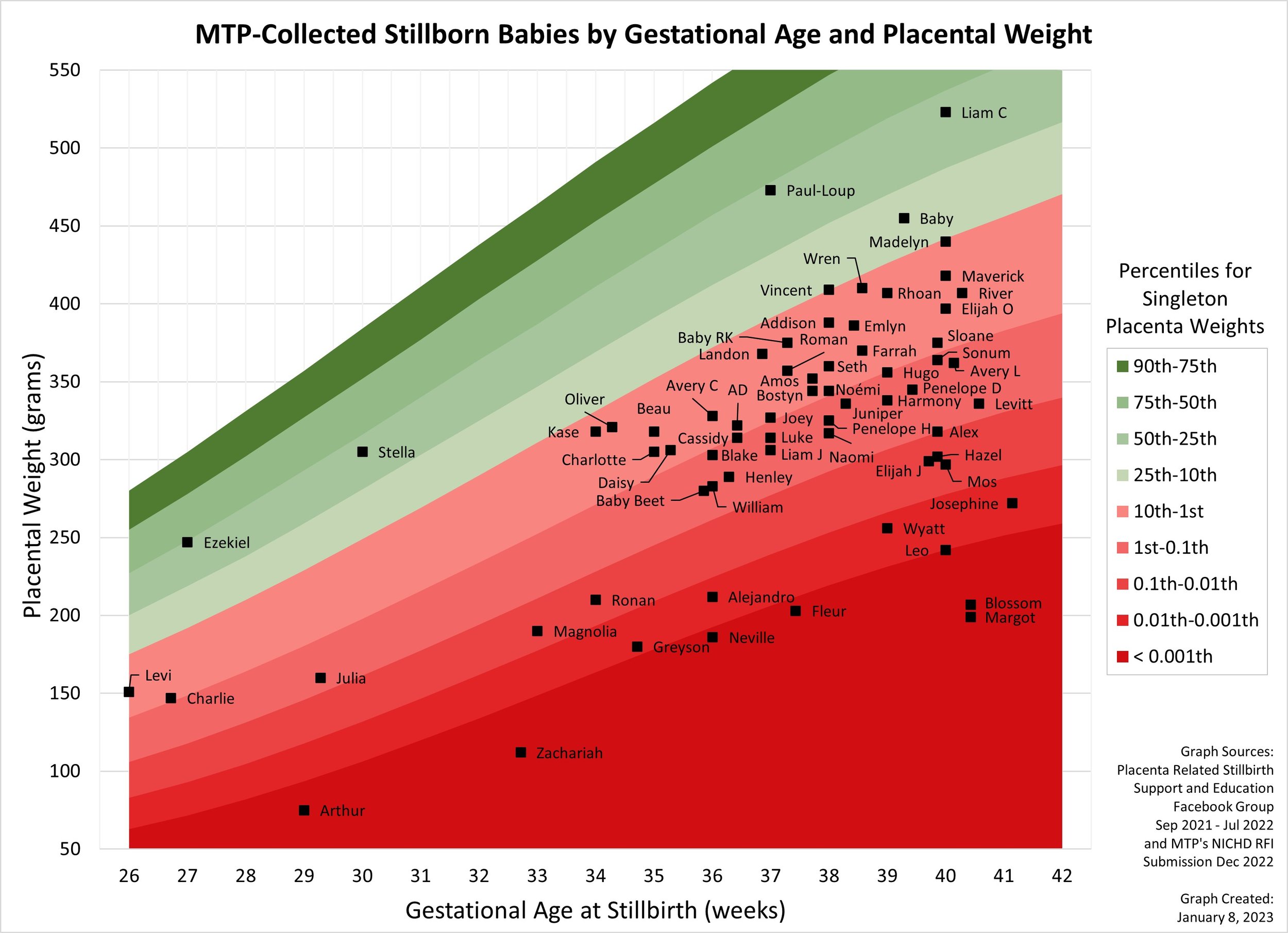
Poor birth outcomes are associated with increasingly smaller placentas.

Many families have shared with us just how small their babies’ placentas were.